Milk Street Limited Edition Ulu Knife
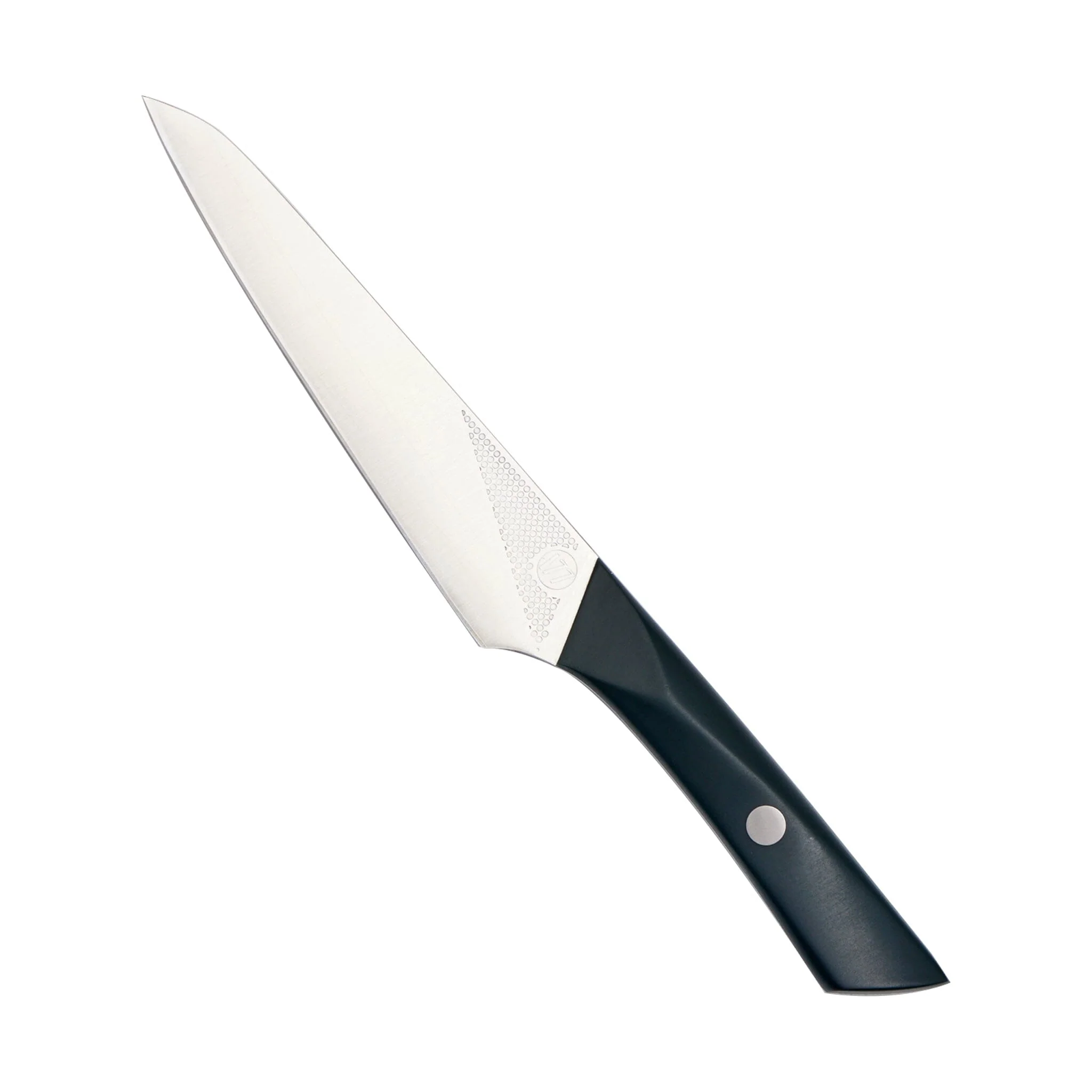
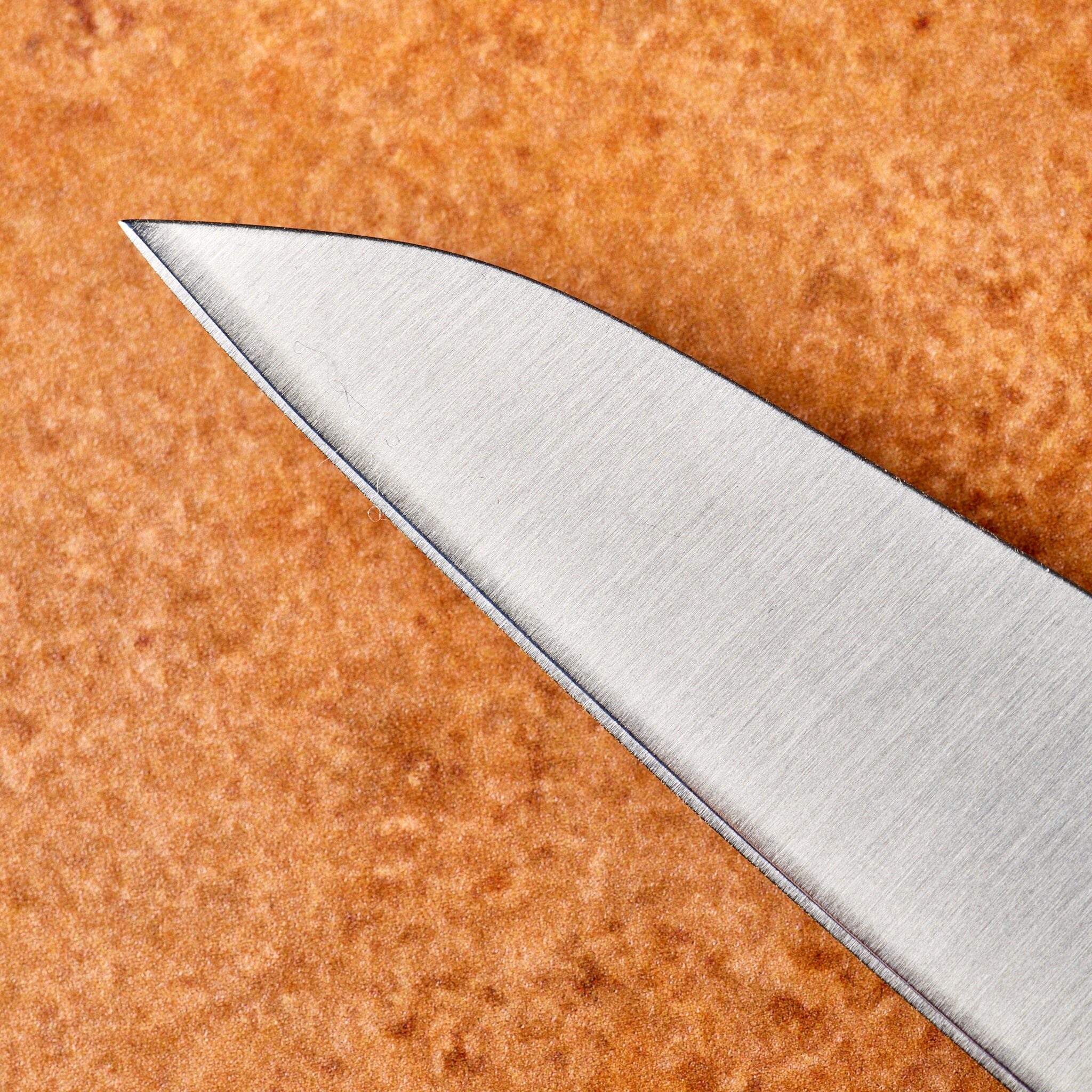
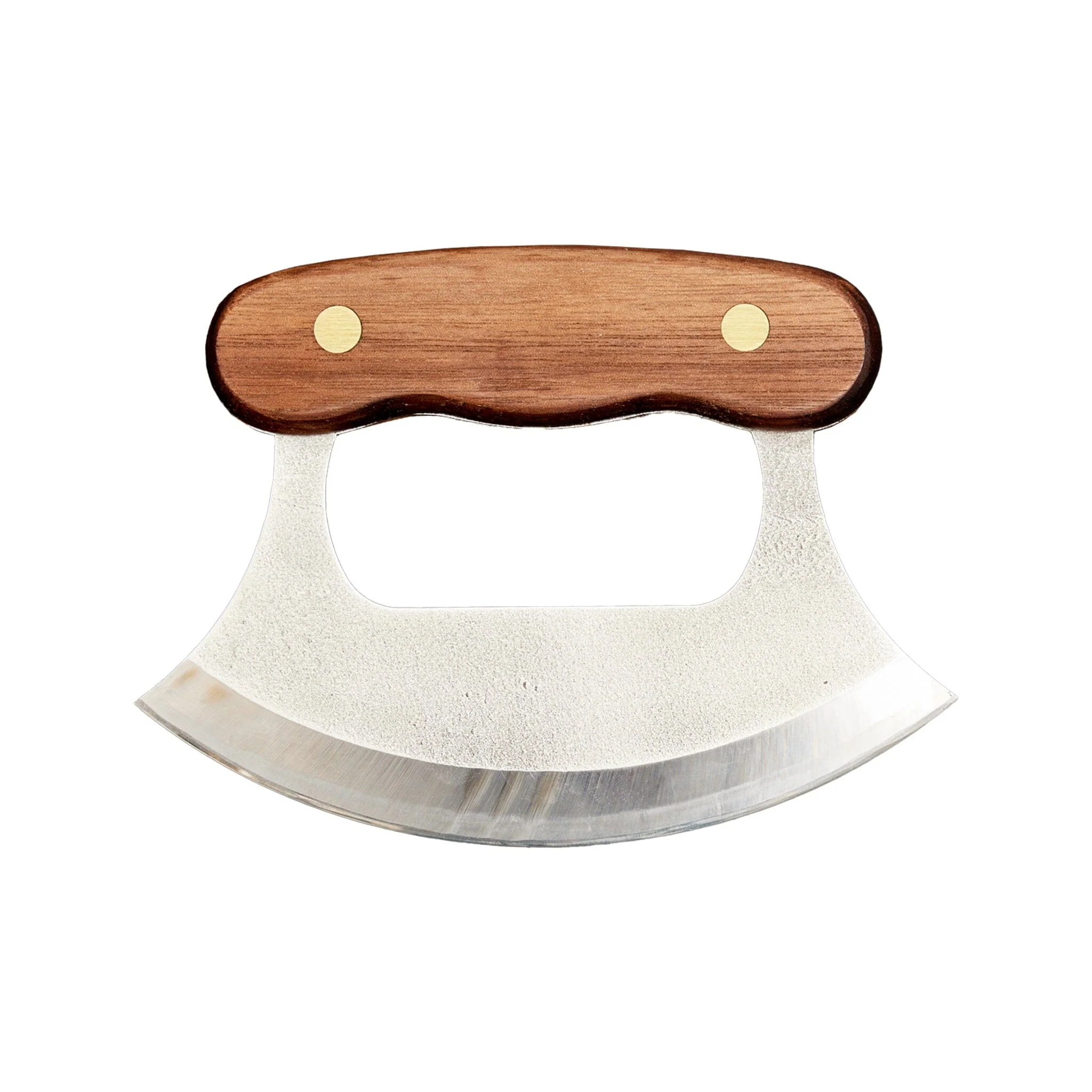

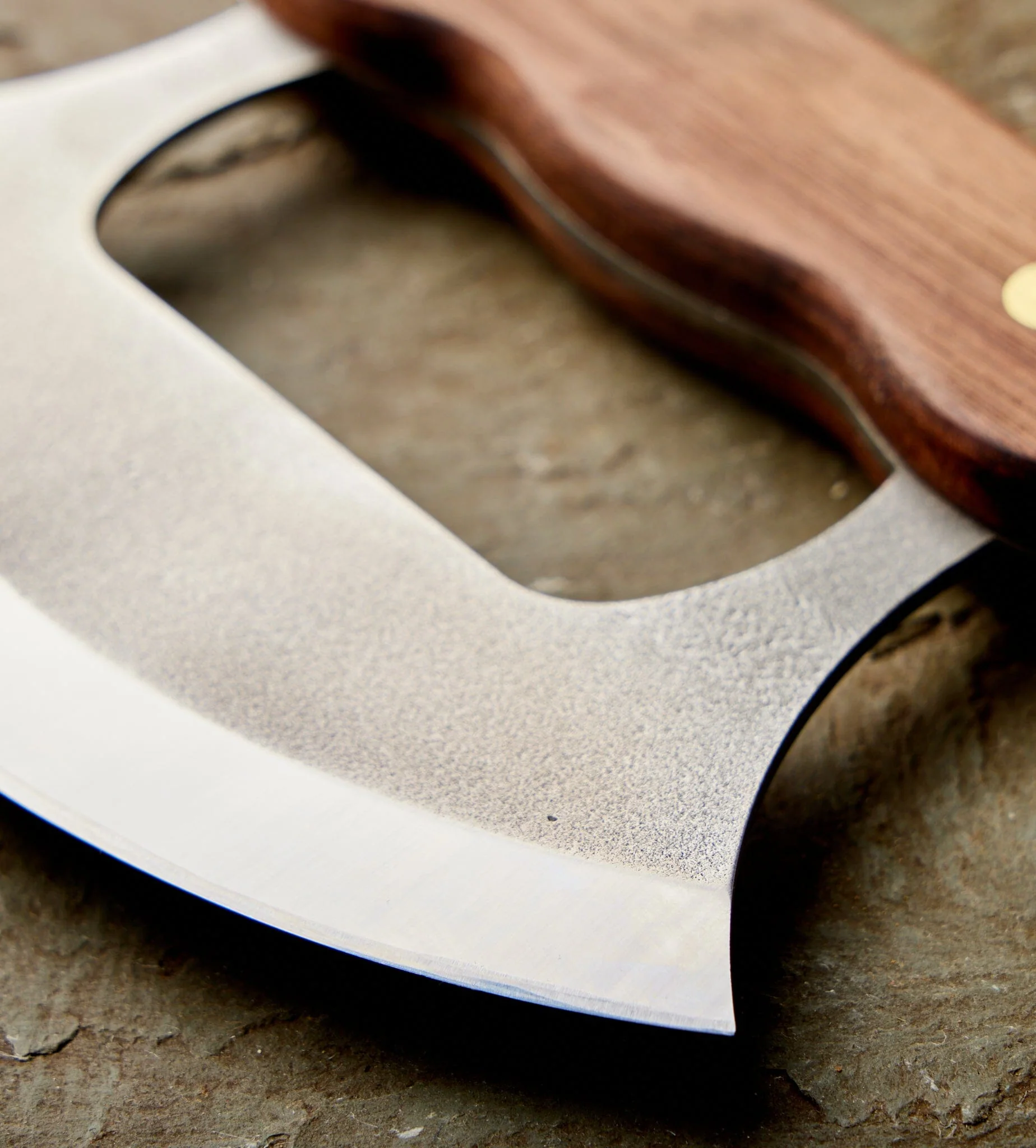
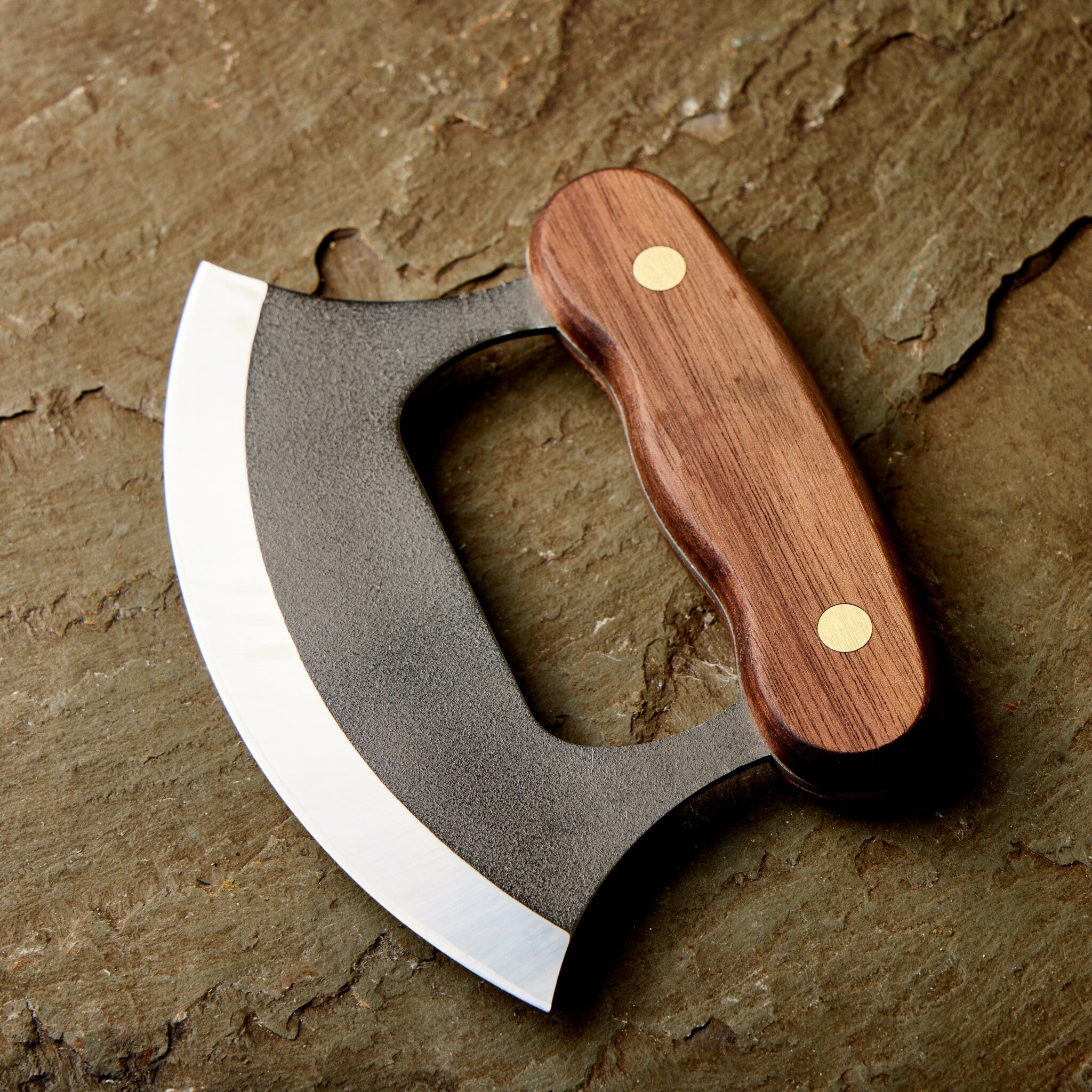
When we need a blade that makes quick work of chopping, mincing and slicing, we turn to the ulu knife—a rocker knife with ties to the cultures of the Arctic dating back 5,000 years. Our version, designed exclusively for Milk Street by Massachusetts-based New England Knives, features a smooth, comfortable walnut handle and a rust-resistant blade made from high carbon steel. The blade is passed through a rolling mill, giving it a stunning, rustic finish, before the edge is ground by hand by trained craftsmen. Rock the ulu back and forth to mince woody herbs, chop nuts or chocolate or slice veggies like cucumbers, carrots and celery. Use the wide blade like you would a bench scraper to scoop and transfer ingredients–which helps streamline workflow and reduces messes.
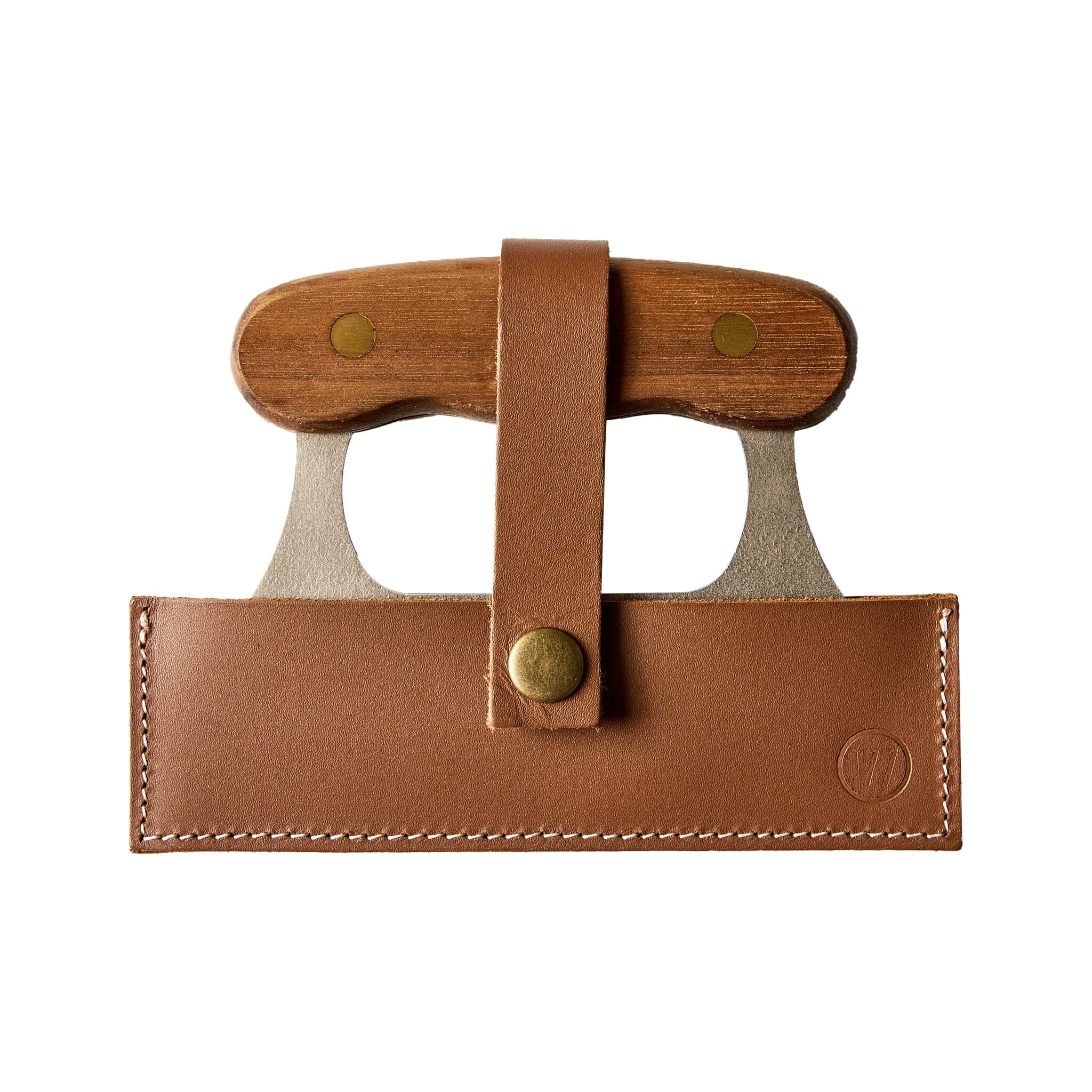
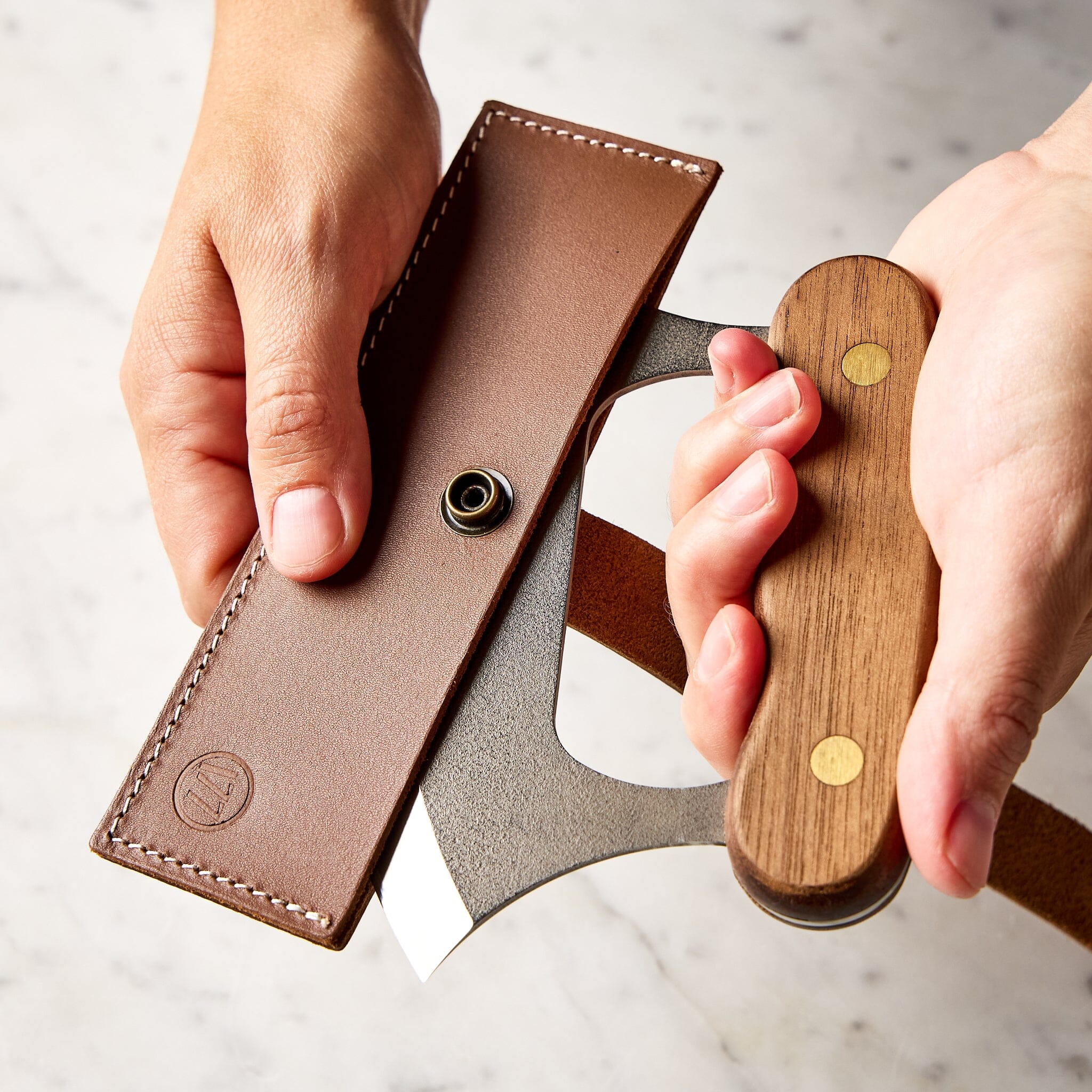
Also available with an exclusive Specialty Knife Sheath that’s designed to fit snugly over Milk Street’s ulu knife. The handmade leather sheath protects the swooping blade from dulling, while preventing accidents in storage. Simply place the knife in the sheath and snap the fastening strap closed. You’ll never worry about nicking your fingers or chipping the curved edge in a crowded drawer again. It’s also great device for when you need to bring an ulu on the road. Each sheath is crafted by hand and pressed with a small steel die to reveal our “177” logo on the front. Given the handmade nature of the leather sheath, there are minor variations in color, grain and texture.
Net Weight: 8.6 ounces (Ulu) and 1.9 ounces (Knife Sheath)
Materials:
Ulu: Stainless Steel (Blade) and Walnut (Handle)
Knife Sheath: Leather, Metal Button Snap
Dimensions:
Ulu: 6 inches x 4.75 inches x ⅝ inches
Knife Sheath: 6.7 inches x 2 inches (without strap) or 5 inches (with strap)
Place of Origin: USA (Ulu) and India (Knife Sheath)
Care: Hand-wash only. Dry thoroughly after washing. Use a dry cloth to wipe clean the leather sheath. If needed, spot clean with a damp towel and air dry.
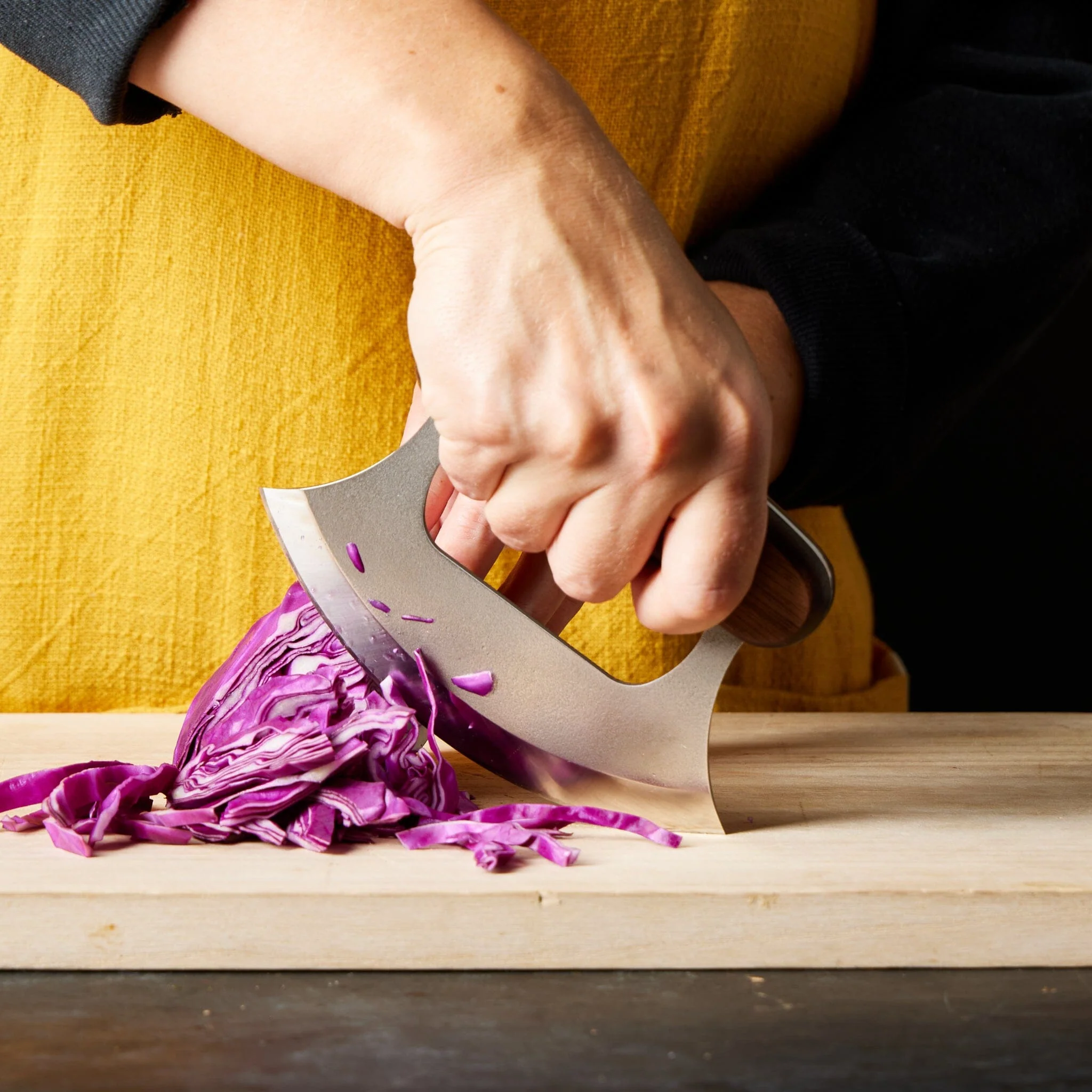
How to Use: Known for its wide, curved blade, the ulu knife should be rocked back and forth to cut foods. Mince herbs like rosemary or thyme or break up large bunches of parsley for gremolata and tabbouleh. Chop nuts and chocolate with ease. Use it to slice vegetables—from onions and cabbages to carrots and cucumbers—for salads and coleslaw. The ulu can even replace bench scrapers and pizza wheels.
Stay Sharp: The History of Ulu Knives. For thousands of years, the ulu has been used by Indigenous peoples of Alaska, Canada, Greenland and Russia. Originally named “uuluurag,” or woman’s knife, the blade was first made with materials like slate, shale, quartzite and even jade, while its handle was crafted from moose or caribou antlers, wood, ivory or bone. Ulus were used for various tasks including breaking down animals (especially marine mammals with blubber), filleting fish, making boots and clothes and, in some cases, shaping snow and ice into blocks for igloos.
Original: $59.95
-70%$59.95
$17.98Product Information
Product Information
Shipping & Returns
Shipping & Returns
Description
When we need a blade that makes quick work of chopping, mincing and slicing, we turn to the ulu knife—a rocker knife with ties to the cultures of the Arctic dating back 5,000 years. Our version, designed exclusively for Milk Street by Massachusetts-based New England Knives, features a smooth, comfortable walnut handle and a rust-resistant blade made from high carbon steel. The blade is passed through a rolling mill, giving it a stunning, rustic finish, before the edge is ground by hand by trained craftsmen. Rock the ulu back and forth to mince woody herbs, chop nuts or chocolate or slice veggies like cucumbers, carrots and celery. Use the wide blade like you would a bench scraper to scoop and transfer ingredients–which helps streamline workflow and reduces messes.
Also available with an exclusive Specialty Knife Sheath that’s designed to fit snugly over Milk Street’s ulu knife. The handmade leather sheath protects the swooping blade from dulling, while preventing accidents in storage. Simply place the knife in the sheath and snap the fastening strap closed. You’ll never worry about nicking your fingers or chipping the curved edge in a crowded drawer again. It’s also great device for when you need to bring an ulu on the road. Each sheath is crafted by hand and pressed with a small steel die to reveal our “177” logo on the front. Given the handmade nature of the leather sheath, there are minor variations in color, grain and texture.
Net Weight: 8.6 ounces (Ulu) and 1.9 ounces (Knife Sheath)
Materials:
Ulu: Stainless Steel (Blade) and Walnut (Handle)
Knife Sheath: Leather, Metal Button Snap
Dimensions:
Ulu: 6 inches x 4.75 inches x ⅝ inches
Knife Sheath: 6.7 inches x 2 inches (without strap) or 5 inches (with strap)
Place of Origin: USA (Ulu) and India (Knife Sheath)
Care: Hand-wash only. Dry thoroughly after washing. Use a dry cloth to wipe clean the leather sheath. If needed, spot clean with a damp towel and air dry.
How to Use: Known for its wide, curved blade, the ulu knife should be rocked back and forth to cut foods. Mince herbs like rosemary or thyme or break up large bunches of parsley for gremolata and tabbouleh. Chop nuts and chocolate with ease. Use it to slice vegetables—from onions and cabbages to carrots and cucumbers—for salads and coleslaw. The ulu can even replace bench scrapers and pizza wheels.
Stay Sharp: The History of Ulu Knives. For thousands of years, the ulu has been used by Indigenous peoples of Alaska, Canada, Greenland and Russia. Originally named “uuluurag,” or woman’s knife, the blade was first made with materials like slate, shale, quartzite and even jade, while its handle was crafted from moose or caribou antlers, wood, ivory or bone. Ulus were used for various tasks including breaking down animals (especially marine mammals with blubber), filleting fish, making boots and clothes and, in some cases, shaping snow and ice into blocks for igloos.